 from
₫2,399,000
Cu Chi Tunnels
Explore the tours
11 tours
The Cu Chi Tunnels lie beneath the rural north-western edge of Ho Chi Minh City and form one of the best-known surviving tunnel networks of the Vietnam War. Digging began in 1948, during the war against the French. By the late 1960s, the network had expanded across three levels, with the deepest tunnels running more than 12 metres underground. Kitchens, wells, field hospitals, command posts and sleeping quarters were carved into the clay, allowing villagers and fighters to shelter during bombing raids and move between settlements without being seen.
Today, visitors can explore two main sections: Ben Dinh, closer to the city and generally busier, and Ben Duoc, further out and typically quieter. Both lie in the countryside near the Saigon River.
- Open daily
- 7am–5pm
- Foreign visitor ticket
- 135,000₫
- Time at the site
- 2–3 hrs
- From the city by road
- 70 km
- From Saigon by car
- 120 min ++
- From Saigon by speedboat
- 80 min
Updated · Checked by Lucky, Les Rives guide
Tours to the Cu Chi Tunnels.
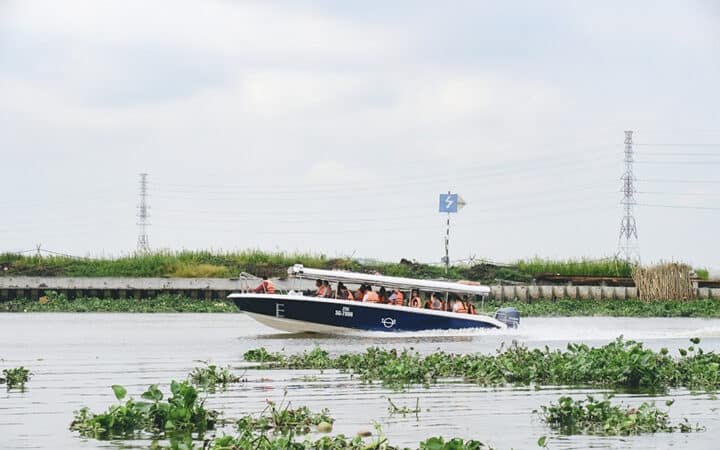
Every tour here goes by speedboat. Half days keep to the tunnels; longer days add the Mekong Delta, the Cao Dai Temple, the countryside or the city.
-
from
₫2,399,000
-
 from
₫5,499,000
Cu Chi Tunnels & Mekong Delta Full Day By Speedboat
-
 Gift
from
₫3,499,000
Cu Chi Tunnels & Coffee Culture Experience
-
 from
₫3,199,000
Cu Chi Tunnels & Vietnam Countryside Experience
-
 Save ₫298,000
from
₫6,299,000
Family Package for the Cu Chi Tunnels by Speedboat
-
 from
₫4,199,000
Cu Chi Tunnels and Hidden Ho Chi Minh Day
-
 Gift
from
₫5,498,000
Cu Chi Tunnels Tour + Mekong Delta Tour
-
 from
₫4,799,000
Cu Chi Tunnels Tour by Speedboat & Bicycle
-
 Save ₫150,000
from
₫3,499,000
Cu Chi Tunnels Tour + A O Show
-
 Private charter
Cu Chi Tunnels by Catamaran Speedboat
-
 from
₫4,399,000
Cu Chi Tunnels by Speedboat & Cao Dai Temple
What to know before you go.
- Ben Dinh or Ben Duoc?
There are two main tunnel sites at Cu Chi, 13 kilometres apart, and most visits include one or the other. Ben Dinh is the closer and more accessible of the two. Some of its tunnels have been widened so adults can move through them more easily, the paths are well maintained, and the site can be explored comfortably in a morning. That accessibility also makes it the more popular choice, particularly with larger tour groups. Ben Duoc is further out, usually quieter and retains more of the original underground complex. Its tunnels are narrower, and the site includes bunkers used by the Saigon–Cho Lon–Gia Dinh command, an operating room and an A-frame bunker designed to withstand the shock of nearby bombing. Above ground stands the Ben Duoc Memorial Temple, its walls inscribed with 45,666 names of the fallen from the Saigon–Cho Lon–Gia Dinh region, across the wars against France and the US.
The two sites offer different experiences rather than a simple choice between better and worse. Ben Dinh is easier to reach and works particularly well for a half-day visit, while Ben Duoc offers more time and space to explore the wider tunnel complex. Our group tours visit Ben Dinh. The speedboat-and-bicycle day goes to Ben Duoc, and private tours can also visit Ben Duoc on request.
- Entrance fees.
Entry to the Cu Chi Tunnels involves two separate fees. All visitors pay a 35,000₫ entrance fee, while international visitors are also required to purchase a 100,000₫ service and guiding ticket, the price the site’s management board has charged since 1 February 2026. Together, these make up the 135,000₫ admission price you will often see quoted. The second ticket includes a guide from the tunnel site who accompanies foreign visitors during the tour. English-language commentary can be fairly brief, so on our tours your Les Rives guide provides the fuller historical context and stays with you throughout the visit.
Both entrance fees are already included in the price of our tours.
- What the visit involves.
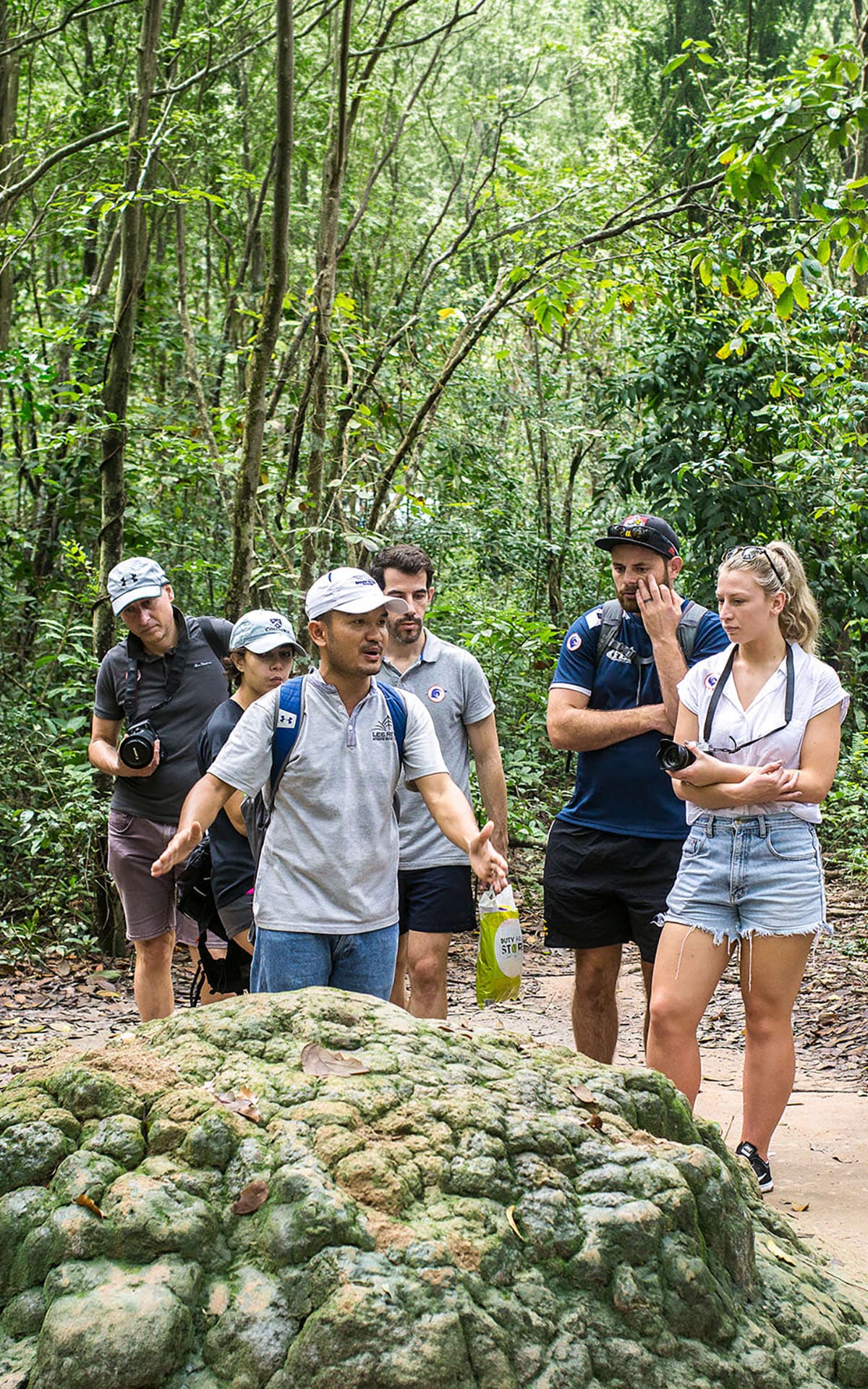
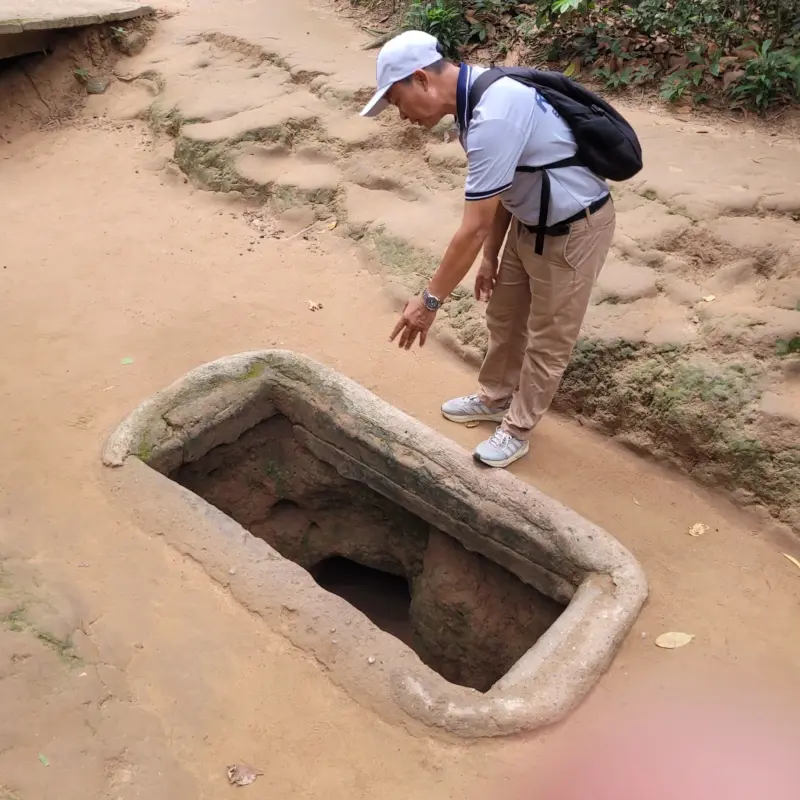
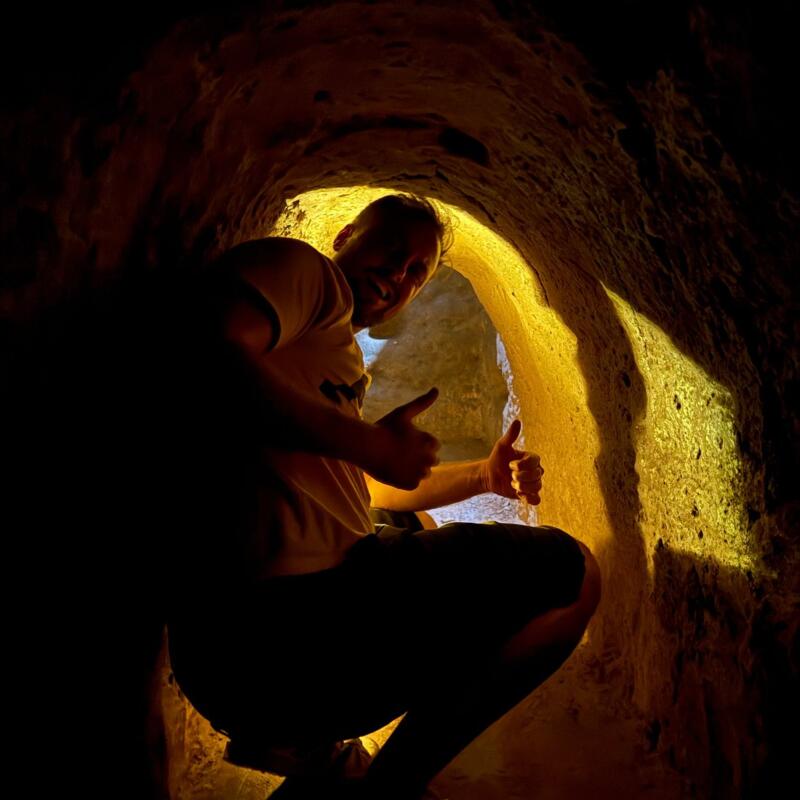
Allow around two to three hours at the site, with roughly 600–700 metres of walking at an easy pace and several stops along the way. The visit usually begins with a short documentary before continuing through the grounds. The route is broadly similar at both sites. Along the way, you will see a trapdoor concealed beneath the forest floor, displays explaining the booby traps once made from bamboo and scrap metal, a reconstructed command room, and an underground kitchen fitted with a ventilation system that carried smoke away from the cooking area before releasing it discreetly at the surface. You will also have the chance to enter a section of the tunnels themselves. Going underground is entirely optional, and anyone who would rather stay above ground can still see the trapdoors, displays and other key parts of the site. The visit usually ends with a small serving of steamed cassava with peanut salt, a simple food closely associated with life in the tunnels during the war.
- When the site is quiet.
The tunnels are open daily from 7am to 5pm, and the earlier you visit, the quieter the site tends to be. Before around 10am, the paths are usually calmer and there is less waiting at the tunnel entrances. Later in the morning, larger coach groups begin to arrive, queues become more common, and the nearby shooting range adds noticeably more noise to the site. Reaching the gates at 7am is impractical for most visitors travelling from central Saigon. For most people, the realistic choice is therefore between a morning and an afternoon visit, and morning is generally the better option if you want fewer crowds and a more relaxed experience. On our half-day tour, the speedboat leaves Bach Dang pier at 7:20 and reaches the tunnels at about 8:40, so the visit falls inside that quieter window. The site often becomes quieter again towards closing time, but a late visit means returning to Saigon during the evening rush hour.
Weekends and Vietnamese public holidays are typically the busiest times, while school groups can also add to visitor numbers during the academic year.
- Getting to Cu Chi Tunnels from Saigon.
Getting to Cu Chi is less about distance than traffic. Most road tours leave central Saigon between 7am and 8am, when the morning rush is already building across the city’s north-western corridor. You will often see journey times of 1.5 to 2 hours quoted online, and that is possible on a clear run, but for a morning departure it is safer to allow 2 to 3 hours by road. A coach, taxi, Grab or private car all use essentially the same roads through the northern suburbs, so none is immune to traffic.
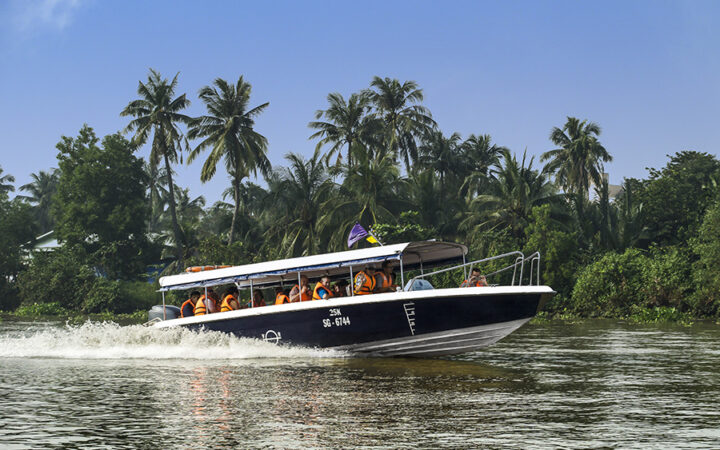
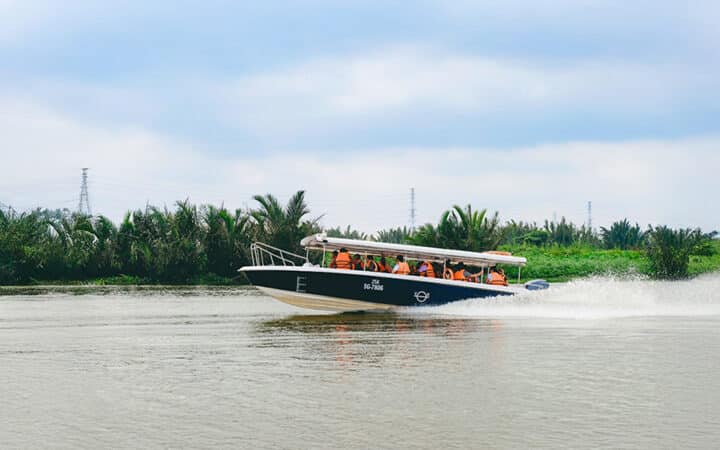
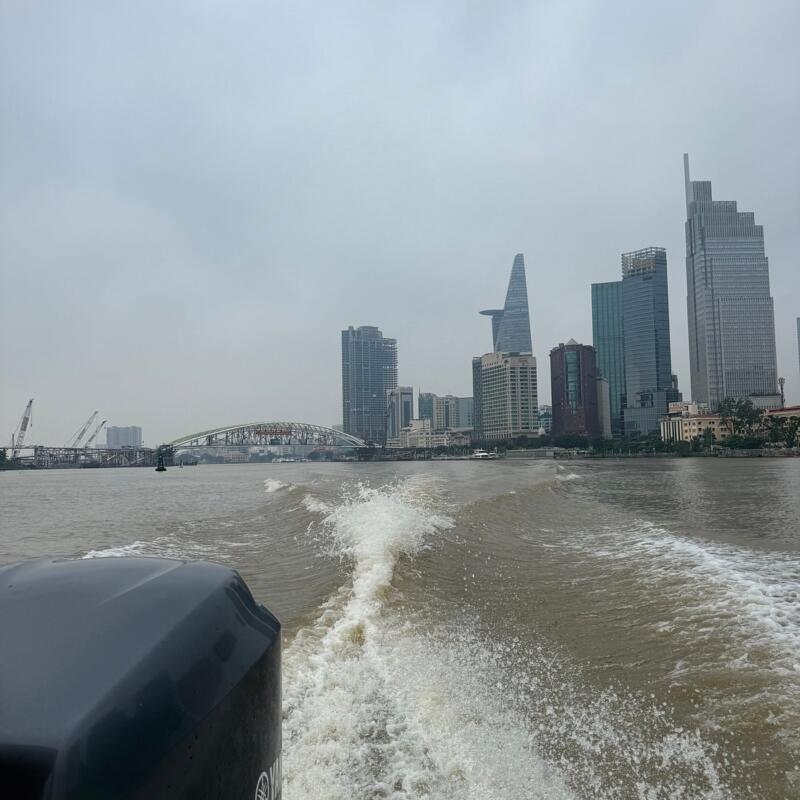
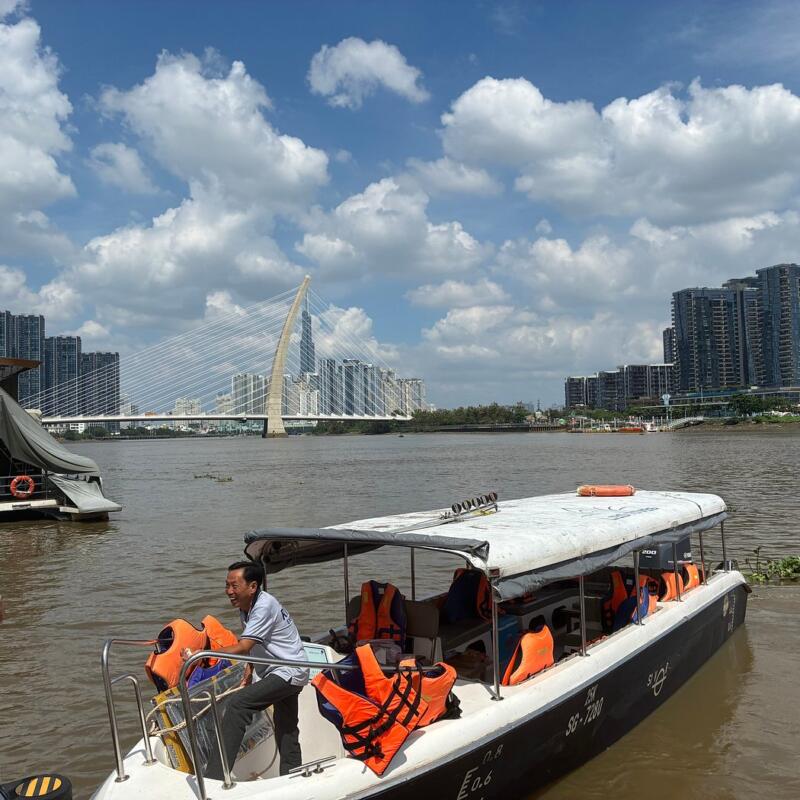
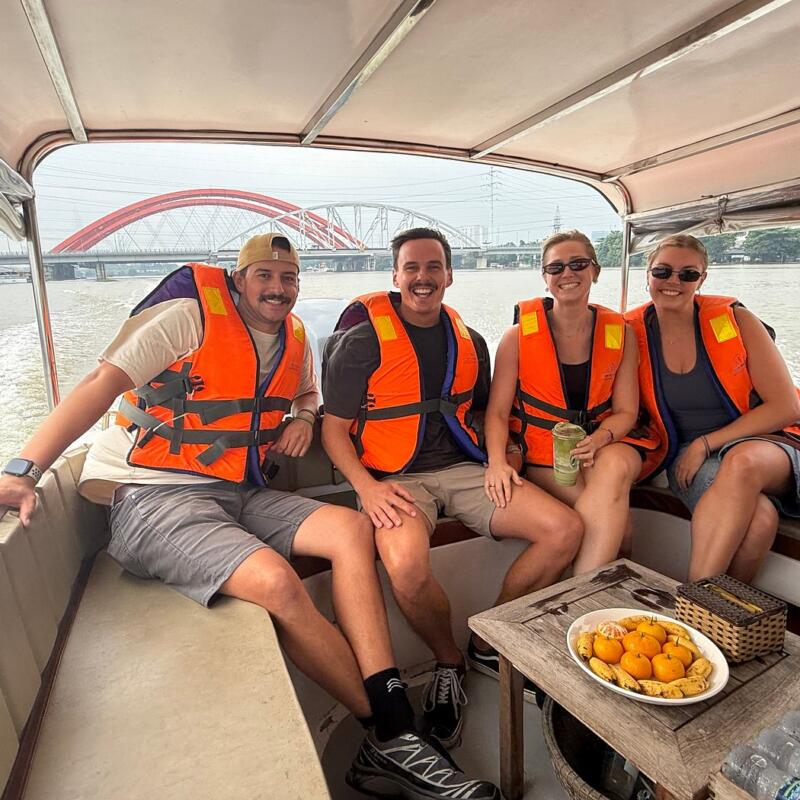
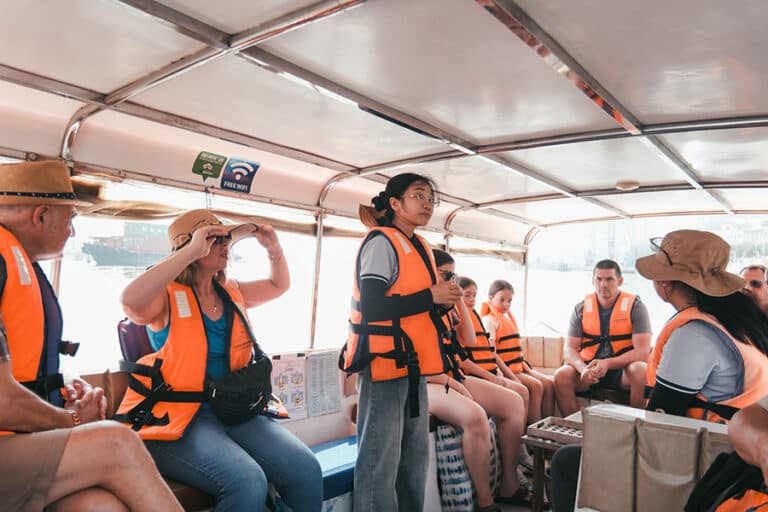
By speedboat, the journey from central Saigon to Ben Dinh takes about 1 hour 20 minutes and avoids the road network altogether. On a busy day, that can save a substantial amount of travelling time over the round trip.
Public buses are the cheapest option, but also the slowest. For Ben Duoc, take route 13 from Saigon Bus Station at 23/9 Park to Cu Chi Bus Station, then change to route 79, which continues to Ben Duoc. For Ben Dinh, take route 13 as far as An Suong, change to route 122 for Tan Quy, then take route 70, which stops almost outside the tunnel site.
What to know before you go.
In their own words.
Latest review:

Exciting experience with top tour guide
Pick up in the morning was on time, staff was very friendly. The speed boat is comfortable and we were served light breakfast and soft drinks, all included. Lucky, our young tour guide, was not just forthcoming and charming but also extremely well informed, and she conveyed all information in perfect English and with the right portion of humour. Crawling through the tunnels was an eery yet interesting experience, you should be somewhat fit to do it though. We were given a very authentic look into the war time, but the general atmosphere with the group was still pleasant. We got back to Ho Chi Minh as scheduled. Can definitely recommend!

The Best Way to Experience Cu Chi Tunnels
This tour was very well organized and operated. The pickup was on time, our boat captain was great and the service on board with fruit and cold drinks was very attentive. Anna is an excellent guide - she took us through the Cu Chi site and was extremely knowledgeable. It was fascinating to learn about the ingenuity and resilience of the resistance fighters. Anna explained so much detail and kept our group moving along so we could see everything before the midday heat and many of the crowds of other tour groups arrived. Highly recommend this experience. The boat ride along the river to and from Cu Chi was enjoyable and much better than sitting in traffic!

Excellent Cu Chi Tunnels Tour with Hien
This was one of the highlights of my trip to Ho Chi Minh City. The speedboat transfer was comfortable, well organized, and a great way to avoid the traffic while enjoying the scenery along the river. A special thank you to our guide, Hien, who was friendly, knowledgeable, and passionate throughout the tour. She shared fascinating stories about the history of the Cu Chi Tunnels as well as Vietnamese culture, making the experience both educational and enjoyable. Everything was very well organized, and I would highly recommend Les Rives, especially if you have Hien as your guide. Thank you for a wonderful experience!

Best way to visit Cu Chi and no annoying traffic jam
I will highly recommend this tour if you want to visit Cu Chi Tunnels. Go by speedboat is a great experience as it can avoid the bad traffic jam and also enjoy the view of Saigon River. Faster and more comfortable. The crew are also very nice, be very clear about the schedule what's next, where to plan the short rest. Our tour guide Lucky makes our tour totally exceeding the expectations, she has great knowledge about the Cu Chi Tunnel and the history behind, she is taking care us especially the young kid every nicely. The Tour also included the fresh fruits and cold drinks on the boat and one nice and fresh lunch. I think it's a much better choice than the bus tour.

Cu Chi Tunnels with Speedboat
We had an amazing time on the Cu Chi Tunnels tour with Hang! From start to finish, everything was so well organised, and the service from the entire team was exceptional. Hang was an incredible tour guide—she was so knowledgeable about the history, explained everything in an engaging way, and was able to answer every question we had. We especially loved the boat ride and hearing her point out and explain everything we were seeing along the river. It really added another layer to the experience and made the tour even more memorable. I would 100% recommend this tour to anyone visiting the Cu Chi Tunnels. It was informative, enjoyable, and incredibly well run. Thank you to Hang and the whole team for such a fantastic experience—we would definitely do this tour again!

Great Day with Les Rives to Cu Chi
What a great experience! We had such an enjoyable day with our guide Nguyen on this tour to Cu Chi by speedboat! Pickup was on time, but we probably could have walked to the boat ramp from our hotel faster than it took to cross the busy Ton Duc Thang street! The views of Saigon and the surrounding countryside while on the speedboat were fantastic. The trip took about an hour and on arrival in Cu Chi, we were seated for a very enjoyable, multi-course Vietnamese lunch. The tour of the tunnels themselves was eye-opening, including going down in a "spider hole" and crawling through tunnels "enlarged" for western visitors! Nguyen was super informative about all facets of the tunnels and the "American"war. Really great guide. The return trip on the speedboat was as enjoyable as the outgoing one - the speed of the boat kept the heat and humidity at bay. All in all, a great day and a great value with Les Rives!

A very unique place on earth - Cu Chi
We arrived early at Cu Chi Tunnel by a speedboat to avoid the crowd. Our guide Hang explained to us what we saw while on the river, like the half dismantled bridge, different types of hospitals, flood control mechanisms, buildings for bird nests, etc. She is extremely knowledgeable seasoned with a sense of humour. For example, she showed us what kind of juice from flowers could be used as shampoo / why they cooked rice in bamboo instead of pots. Of course she explained in details the tunnels and the war.

The speedboat trip to the Cu Chi tunnels was so worth the money. We were travelling with three teenage boys and were concerned about taking them on the buses, as we didn’t want to get there with three grumpy teenagers who would disengage. Going on the speedboat made it so much more interesting for them. It also meant we left so much earlier, which meant the temperatures were far more bearable. When we got there, there were very few people, which enabled us to really enjoy the tour and the exhibitions. At the end of our tour, we couldn’t believe how many buses there were in the car park and how busy the place had got. Whilst the price is quite a bit higher than going on the bus, we are so glad we paid the extra.

Great family experience in HCM
Highly recommend taking the speedboat if you’re heading to the Cu Chi Tunnels! Anna was a fantastic guide and made the experience so enjoyable for our family of four. We loved seeing Ho Chi Minh City from the river, learning about the history of the tunnels, and arriving before the crowds. It was a fantastic experience from start to finish and definitely made our visit to the tunnels even more memorable.

Lucky to have Lucky as our tour guide 😊
To see the Cu Chi tunnels, I opted for the more luxurious option of getting there by speedboat with ‘Les Rives Authentic River Experience’ rather than by bus or taxi, and I certainly haven't regretted the decision. By the way, it wasn't the kind of speedboat where you have to hold on tightly to prevent yourself from falling off. 😉 Although the boat trip is not much faster than travelling by bus, it has the following advantages: a) There is the possibility to sit outside and enjoy the view and the breeze. b) Because of a), the seating order was fluid rather than preset, at least in our group, which allowed talking to other members of the group if one wanted to. c) The catering service was excellent. We were offered a light breakfast, plenty of fruit (my favourite!) and soft drinks on top of the great lunch served at the destination. I was very glad that Lucky was our tour guide. Upon arrival at our destination, she gave a thorough introduction to the history of the Vietnam conflict and the tunnel structure, which I really appreciated. Furthermore she conveyed the facts and stories in an interesting and entertaining way throughout the tour, and her English was excellent. On top of that, she was a very likeable person with a great sense of humour. My thanks also go to the boat crew, i.e. the captain and the young and very friendly lady in charge of catering. We also had a nice chat on the return trip. It was a great experience!
Moments from our guests
81 photographs from 31 travellers
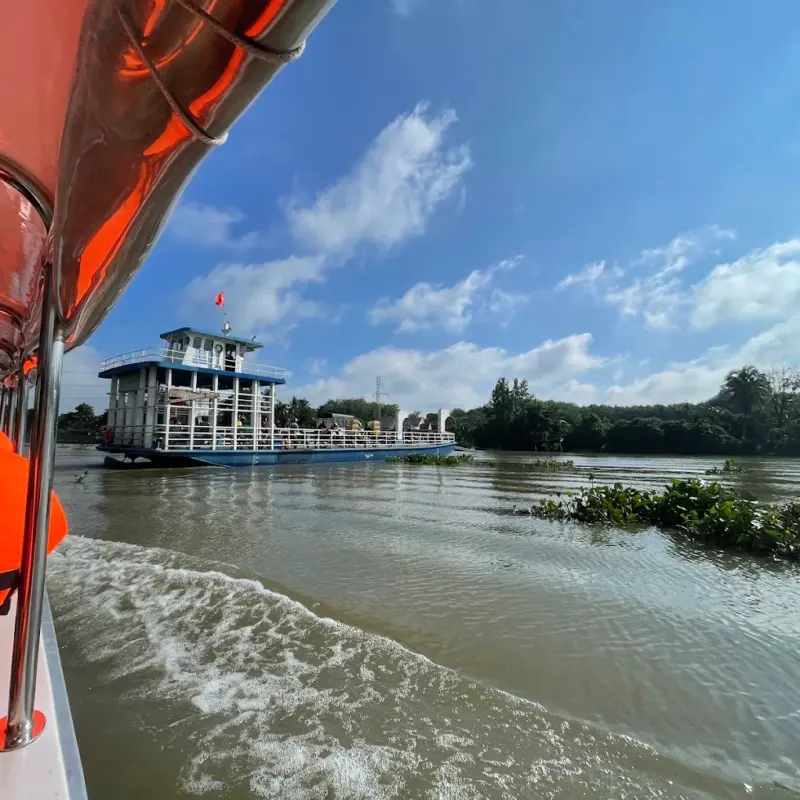
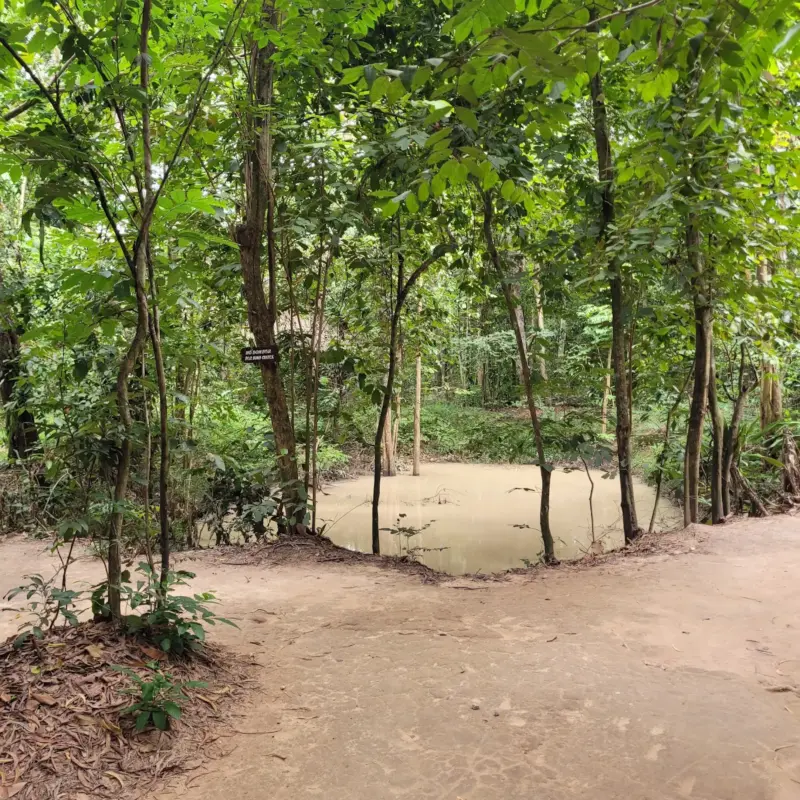
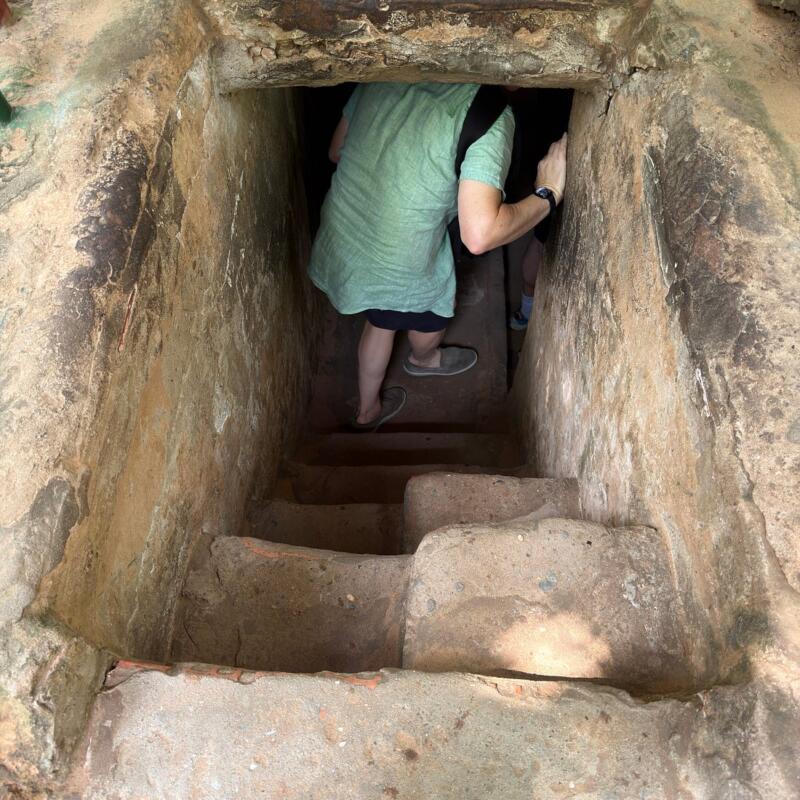
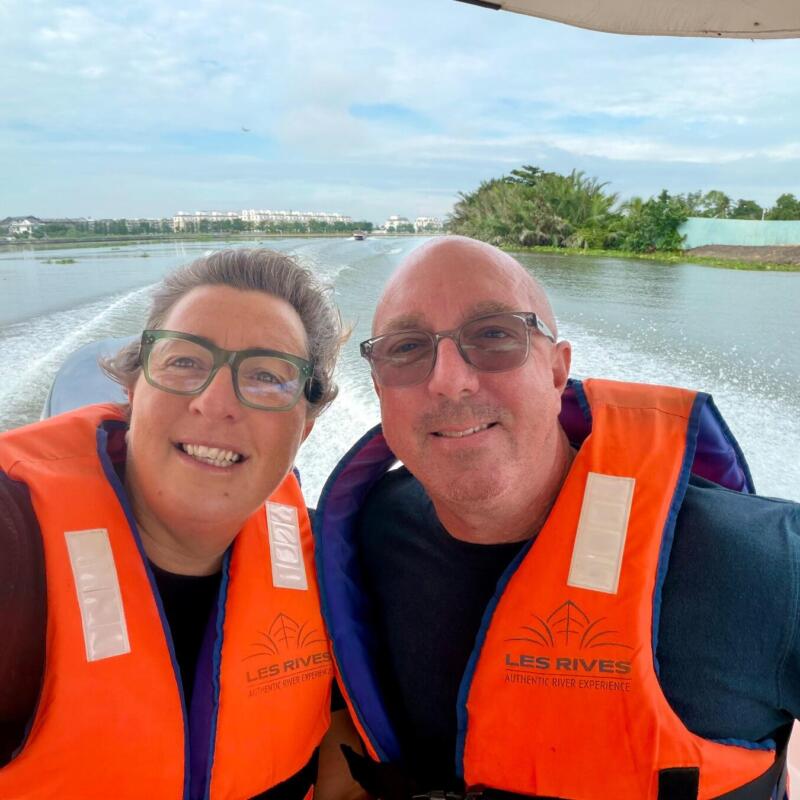
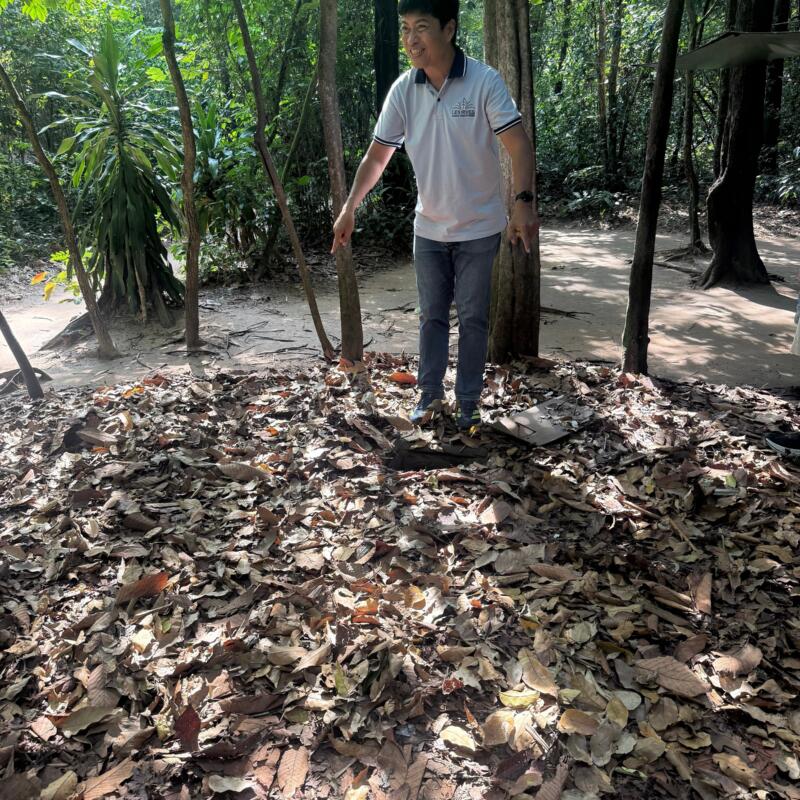
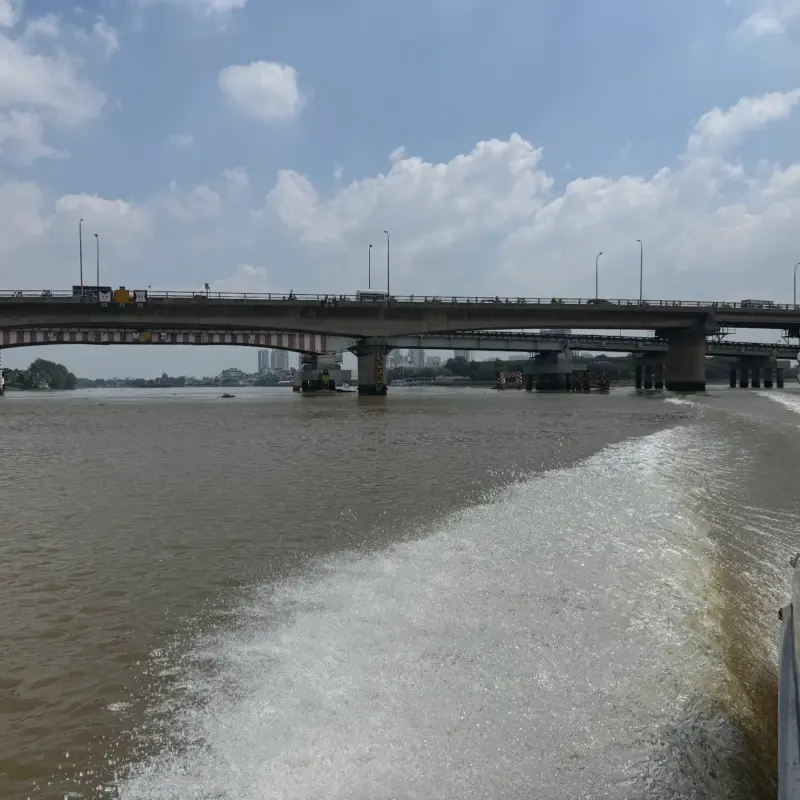
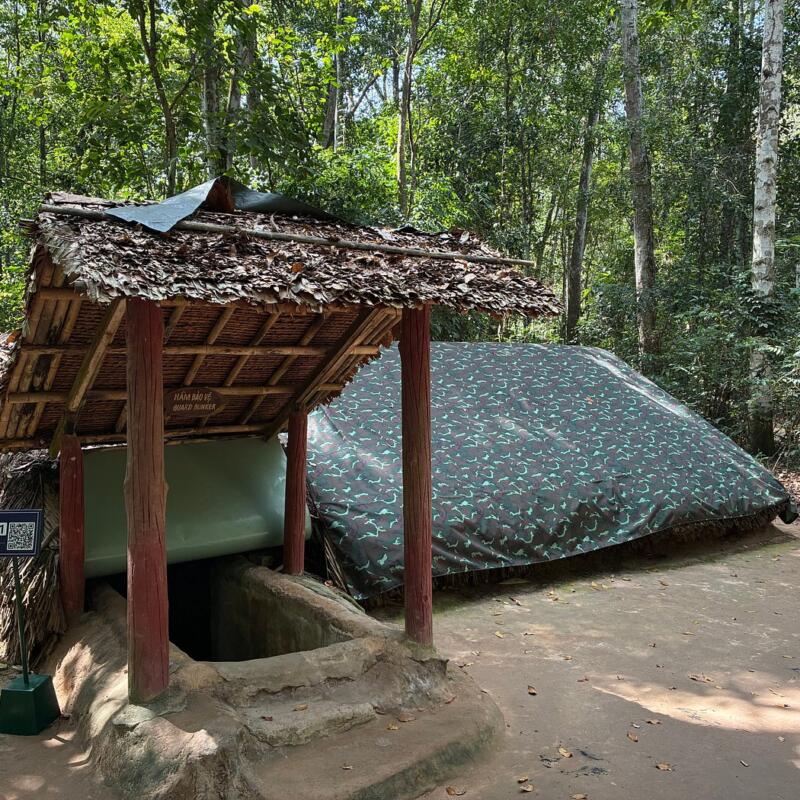
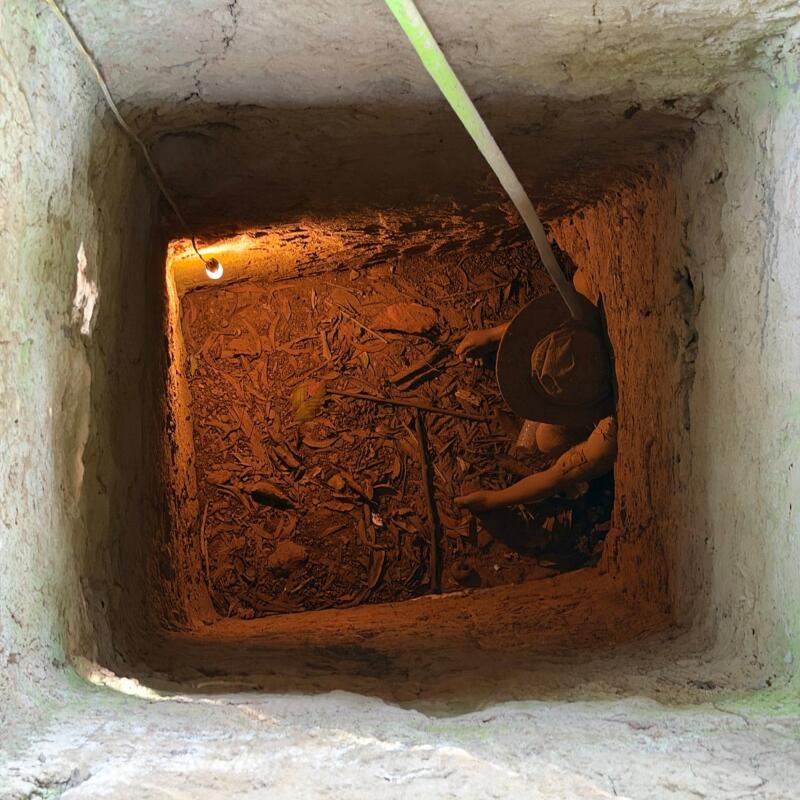
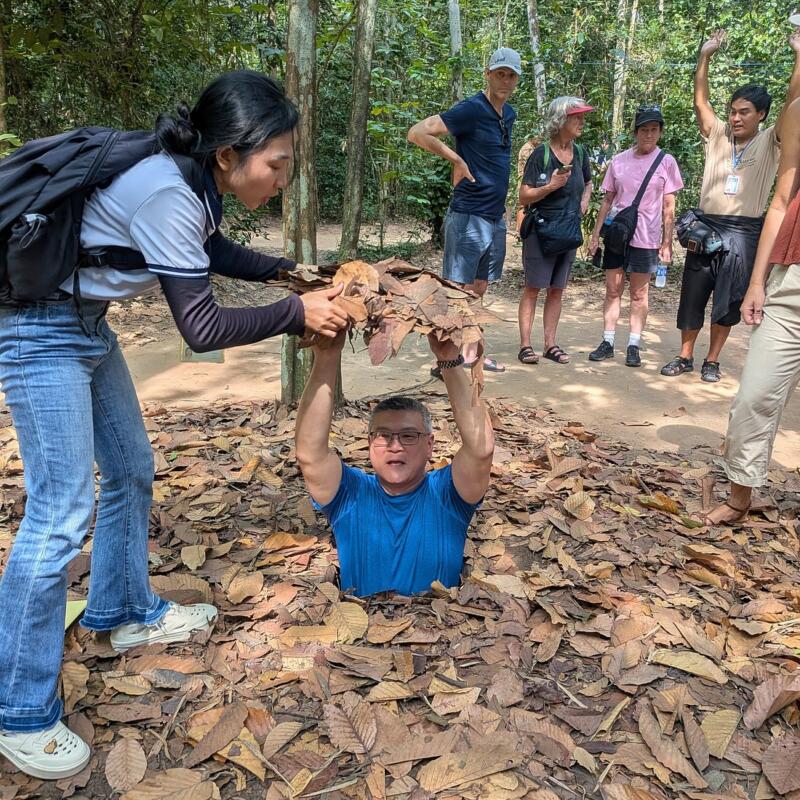
The gallery
12 imagesFeatured by creators
Through their lens
A network built to survive a war
At its height, the Cu Chi tunnel system extended for more than 200 kilometres. The site’s management board puts it at about 250, stretching from the outskirts of Saigon towards the Cambodian border. Around 120 kilometres are thought to survive today. Every metre was dug by hand, the earth carried away basket by basket. Among the chambers that remain are rooms used during preparations for the 1968 Tết Offensive.
The tunnels were built around a simple requirement: nothing above ground should reveal what was happening below it. Entrances were concealed, air vents disguised and cooking smoke carefully dispersed. The Hoàng Cầm stove sent smoke through long earthen channels before releasing it some distance away, where it emerged so faintly that it could pass for morning haze. Underground kitchens could cook without giving away the position of the people beneath them.
Survival, however, came at a devastating cost. Cu Chi was subjected to some of the heaviest bombing of the war, and the district became known as đất thép — “the land of steel.” At Ben Duoc, the memorial temple bears 45,666 names, a measure of the human loss behind the history visitors see today.
The countryside beyond the tunnels tells another part of Cu Chi’s story. Our speedboat tours pair the tunnels with the farms and villages around them: a cricket farm, an organic herb garden, and rice paper made by hand in a local home. Longer itineraries add the Cao Dai Temple, while our boat-and-Vespa day tour pairs the tunnels with the hidden side of Ho Chi Minh City.

Common questions.
Are the Cu Chi Tunnels worth visiting?
For most visitors interested in the history of the Vietnam War, Cu Chi offers something that photographs and diagrams cannot easily convey: the scale of the underground network and the conditions in which people lived and operated beneath the ground. It is a well-developed historic attraction rather than an untouched battlefield, and the shooting range can be heard across parts of the site. Visiting early in the morning, or choosing the quieter Ben Duoc site, makes for a calmer experience.
What should I wear to Cu Chi?
Light, breathable clothes you do not mind getting dusty, and closed shoes with good grip, because the paths turn muddy after rain. Bring a hat, sunscreen and insect repellent, since much of the site is shaded forest.
Do I have to go into the tunnels if I am claustrophobic?
No. Going underground is optional, and there is plenty to see above ground. The tunnels open to visitors have been widened but are still low, dark and warm, so you move bent over or crouching, and some stretches are narrow. If you are claustrophobic, you can watch from the entrance and skip the crawl entirely.
When is the best time of year to visit Cu Chi?
The dry season, roughly December to April, generally brings the most comfortable conditions for walking around the site. During the rainy season, from around May to November, showers are more frequent and the paths can become muddy. Rain often comes in short, heavy bursts rather than lasting all day, so there is no need to avoid Cu Chi during the wet season. An early visit also has the advantage of cooler temperatures and fewer crowds.
Is the shooting range included in the ticket?
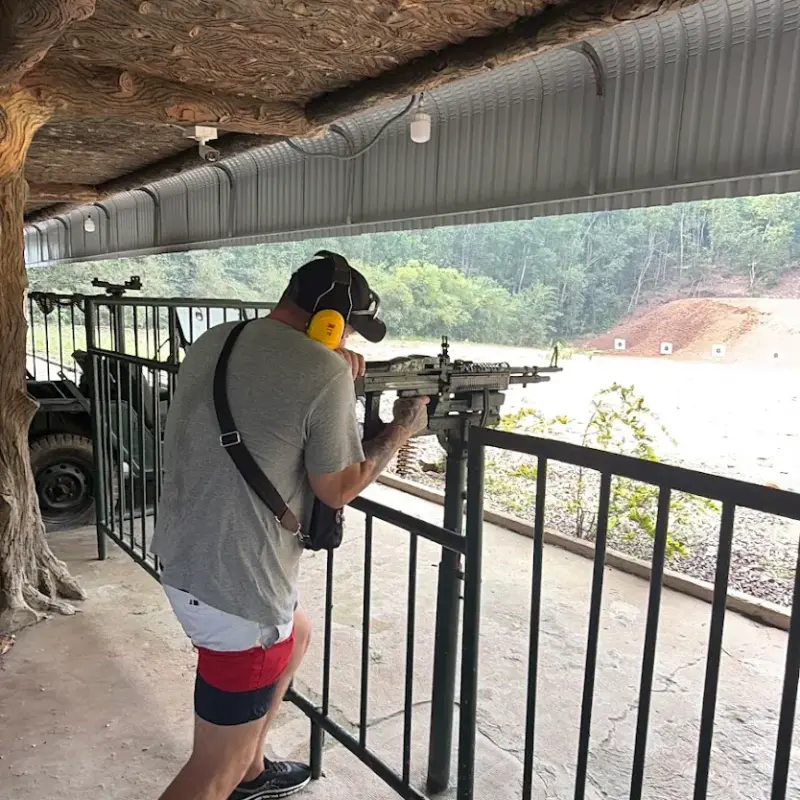
No. The shooting range at Cu Chi is optional and paid separately on the day. As of 2026 bullets cost 75,000 VND each, with a minimum of 10 per person (750,000 VND), payable in cash or by credit card. Shooters must be at least 18 years old.
Which Cu Chi Tunnels tour should I choose?
Every Les Rives tour to Cu Chi goes by speedboat, so the real choice is how much of the day you want to give it. A half-day covers the tunnels and has you back in the city by early afternoon, and it is what most visitors choose. A full day pairs Cu Chi with the Mekong Delta, the Cao Dai Temple, the countryside around the tunnels, or the quieter side of Ho Chi Minh City. Group departures stay small and run to a fixed timetable; a private tour sets its own pace, starts when you like, and can take you to Ben Duoc, the quieter of the two tunnel sites. On all of them the entrance ticket, your guide, lunch and hotel pickup are included.
Are the tunnels suitable for children?
For most children, yes. Much of the visit takes place above ground, the walking is relatively easy, and going into the tunnels is optional. The main things to consider are the heat and the shooting range, which can be loud enough to unsettle younger children. Bring water, sun protection and comfortable shoes, and children should remain with an adult throughout the visit.
Is it safe to visit the Cu Chi Tunnels?
Yes. Both Ben Dinh and Ben Duoc are managed historic sites with established visitor routes and staff on the grounds. The main practical considerations are heat and humidity, uneven or muddy paths after rain, low ceilings underground and the confined nature of the tunnels. If you have limited mobility or heart, respiratory or claustrophobia concerns, you can simply skip the tunnel crawl and remain above ground.
Is there food at the site?
Yes, although the options differ between the two sites. Drinks, snacks and simple food are available around the tunnel complexes, and Ben Duoc also has a restaurant. If you are visiting with Les Rives, you do not need to plan around the food available at the site: lunch is already included in the itinerary.
Are the Cu Chi Tunnels real?
Yes. The Cu Chi tunnel network was dug and expanded over decades and used during both the war against the French and the Vietnam War. The sites visitors see today have been preserved, restored and adapted for public access. Some tunnel sections at Ben Dinh have been widened to make them easier to enter, while Ben Duoc retains more of the original underground complex. What you visit is a preserved historic site, not an untouched wartime ruin.
Did people live in the tunnels?
Yes. Fighters and villagers sheltered underground through bombing raids and ground sweeps. The network held sleeping quarters, meeting rooms, field hospitals, wells and kitchens, where the Hoàng Cầm stove vented smoke far from the fire so it would not give away an entrance. Conditions were hot, dark and cramped, and disease was common.
What are the Cu Chi Tunnels?
The Cu Chi Tunnels are a network of hand-dug underground passages on the north-western edge of Ho Chi Minh City. Resistance fighters used them against the French from 1948, and against the United States and South Vietnam during the Vietnam War. Vietnamese sources put the network at more than 200 kilometres at its height, with about 120 kilometres surviving. Two sections, Ben Dinh and Ben Duoc, are open to visitors.
See the Cu Chi Tunnels by river.
Travel from central Saigon by speedboat, avoid the long road journey and reach the tunnels before the main coach groups arrive.